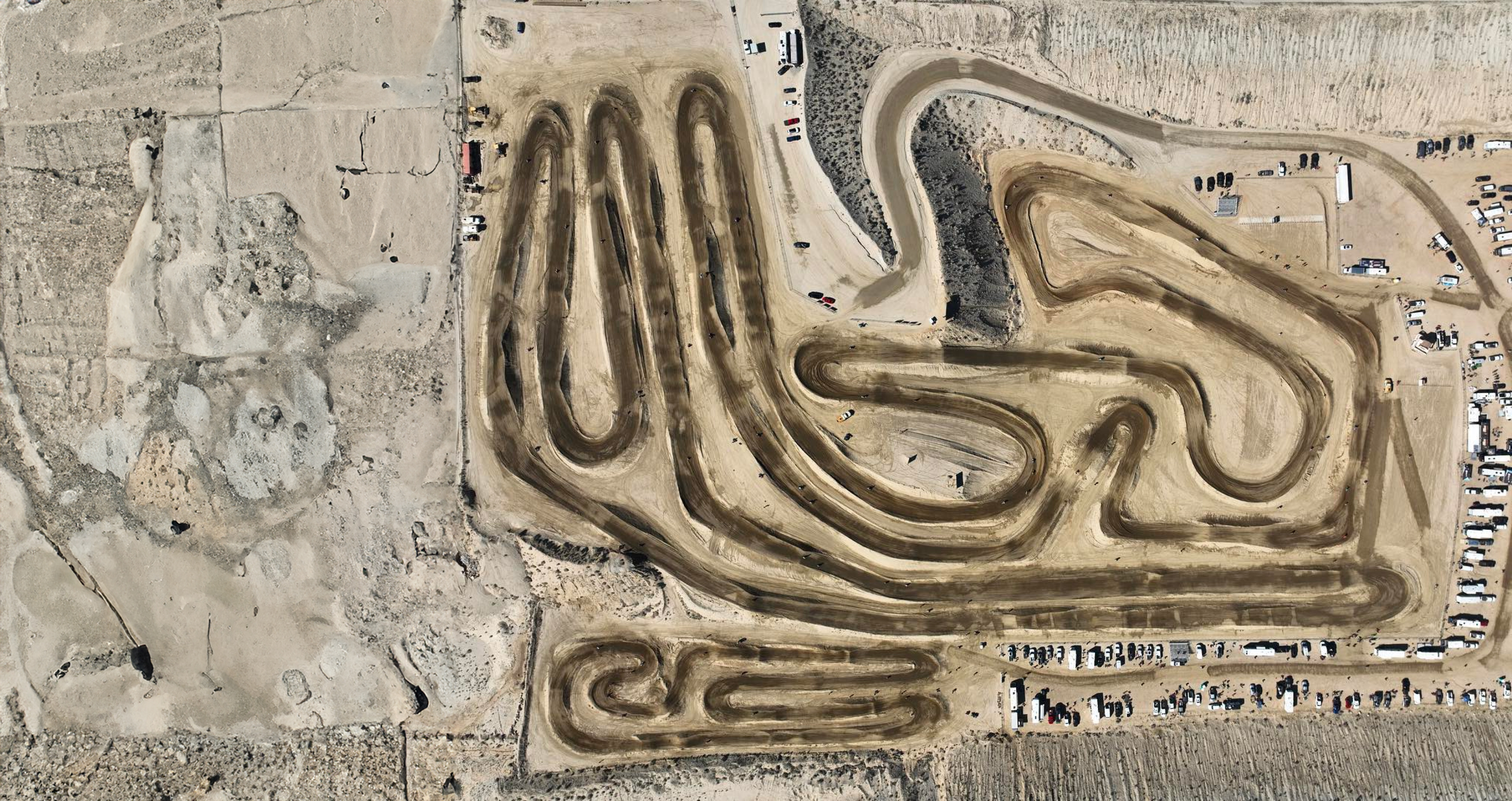
Southern California was once the epicenter of motocross. Now, the region faces a significant crisis. Motocross tracks are closing at an alarming rate, creating severe overcrowding at the remaining few. Riders often describe conditions as chaotic and dangerous.
Why is this happening? Rising insurance costs and frequent lawsuits are causing facility closures. As more tracks disappear, remaining locations become crowded beyond safe capacity. Imagine rush-hour traffic, but with dirt bikes wildly competing for limited track space. That's how it feels riding at many Southern California facilities today.
Moreover, tracks rarely separate riders based on skill or bike type. Beginners often find themselves on the course with experienced professionals riding faster, more powerful bikes. Without skill-level divisions, accidents and collisions become much more common. Additionally, many tracks lack qualified flaggers. These safety workers warn riders about hazards and accidents on the track ahead. Without them, riders must navigate dangerous situations on their own.
However, there's some good news.
Lake Elsinore Motorsports Park plans to reopen soon, which could greatly reduce overcrowding pressures. This renowned track can help distribute rider traffic more evenly. While reopening Lake Elsinore is positive, it doesn't fully fix the deeper issue causing closures: liability and insurance problems.
Inherent Risk
What's at the heart of these liability issues? Insurance premiums for motocross tracks have increased dramatically due to the risk of lawsuits. Even responsible track owners—who carefully maintain and improve track safety—are vulnerable to expensive litigation. Many simply can't bear this financial risk, forcing them permanently out of business.
Thankfully, there's a promising solution. Arkansas recently enacted
Act 312, a law that recognizes the "inherent risk" of dirt bike riding on private property. Arkansas
Governor Sarah Huckabee Sanders signed this legislation in March 2025. The new law clarifies that certain risks, such as collisions, rider error, and track surface conditions, naturally exist within dirt bike riding. While property owners still have accountability in cases of gross negligence, the law makes frivolous lawsuits more difficult.
Similar laws have existed for years in high-risk sports like skiing or horseback riding. Surprisingly, motocross has taken longer to gain protection, despite its clear inherent risks. The
American Motorcyclist Association (AMA) strongly supports Act 312 and encourages other states to adopt similar measures.
Here’s how you can help:
- Lobby State Representatives: Highlight the negative effects current liability laws have on rider safety and facility survival. Sharing stories and insights about overcrowded conditions and safety issues persuades critical legislative action.
- Support AMA and Similar Organizations: Financially back organizations actively advancing legal reforms and advocate vocally within community outreach efforts.
- Establish Community Advocacy Groups: Build local grass-roots support systems for raising awareness, initiating petitions, and presenting unified demands to decision-makers.
- Promote Riding Responsibility: Advocate for ongoing rider safety, adherence to skill-appropriate riding, and respect for track regulations to demonstrate community commitment to mitigating risk.
Addressing liability legislation represents a pivotal step toward sustaining and enhancing motocross in Southern California. Only with informed legislative action, community support, and responsible riding behavior can motocross continue safely thriving for future generations.