Building a professional-grade motocross track is as much an engineering feat as it is an art form. Whether you are transforming a backyard or developing a dedicated racing facility, the "dig a hole and pile it up" days are long gone. In 2026, the right combination of heavy machinery, specialized materials, and modern safety standards is non-negotiable for a track that flows well, stays safe, and actually lasts.
Here is your updated blueprint for the essential equipment and materials required to build a world-class circuit today.
Part 1: The Heavy Hitters (The Equipment)
In 2026, track building is defined by precision. It’s no longer just about moving mass amounts of earth; it’s about grade control and GPS-guided shaping to ensure jump faces and transitions are consistent lap after lap.
| Equipment |
Why It’s Essential for 2026 |
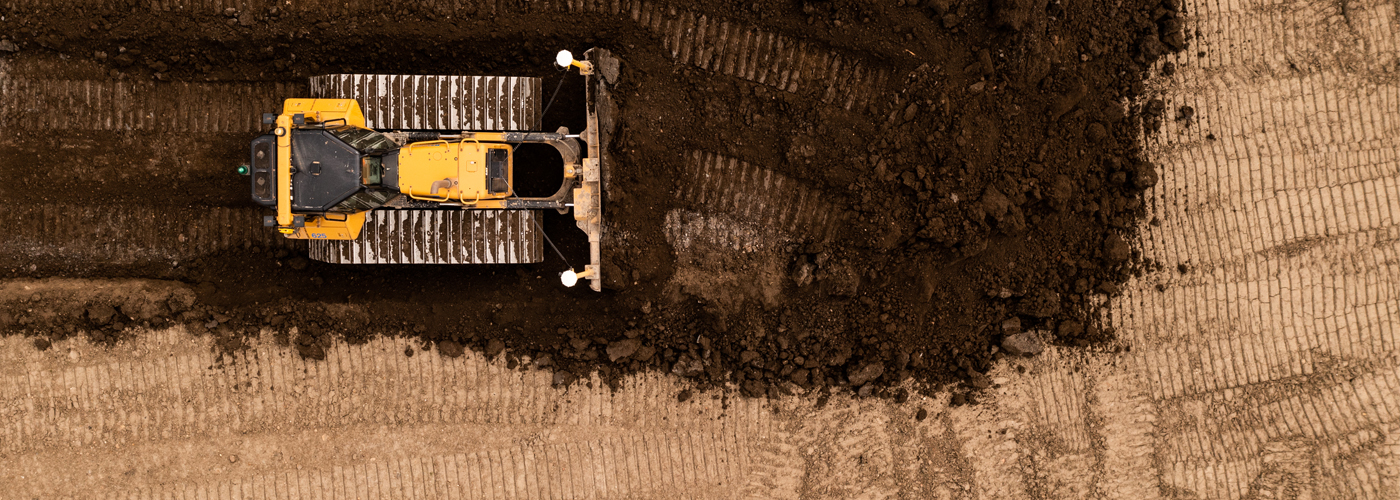
| Bulldozer (D3 to D5 size) |
The workhorse for bulk earthmoving. Use this for pushing long lanes, establishing the rough shape of large tabletops, and cutting drainage swales. |
| Excavator (10–20 Ton) |
Essential for "packing" jump faces and carving intricate turns. In modern builds, excavators "tamp" the dirt with the bucket to create high-density surfaces that won't rut out immediately. |
| Compact Track Loader (Skid Steer) |
The "finishing" tool. Opt for a tracked model for better stability on steep berms. Attachments like power rakes or grader blades are game-changers for final surface prep. |
| Water Truck |
The most underrated tool. Without moisture, dirt won't compact. You need a high-pressure spray bar to "soak" the track during the build to achieve the perfect density. |
| Vibratory Roller |
To prevent the track from blowing out after three laps, a roller "seals" the surface. This creates a hard base that sheds water and resists deep, dangerous ruts. |
| GPS / Laser Surveying Tools |
Modern builders use these to ensure jump angles (lips) are safe. For example, maintaining a 30 degree takeoff angle for a standard tabletop to prevent "kicking" the rear wheel. |
Part 2: The Ingredients (The Materials)
The "secret sauce" of a legendary track is the soil composition. In 2026, the focus has shifted toward loamy sustainable mixes that balance high traction with rapid drainage.
- The "Golden" Dirt Mix
Pure clay is too slick when wet; pure sand is too soft and "washy." The industry standard is a Sandy-Clay Loam.
- Clay (30–40%): Provides the "binding" power needed to hold the shape of jumps and berms.
- Sand/Silt (60–70%): Allows for drainage and creates the "loam" that riders crave for maximum cornering traction.
- Advanced Drainage Materials
Modern tracks utilize French drains and culverts hidden beneath the surface at the lowest points (usually the apex of turns).
- Perforated Pipe: Vital for moving water away from potential "mud holes."
- Geotextile Fabric: Used under the base layer in swampy areas to prevent your expensive dirt from sinking into the subsoil.
- Safety Barriers & Visual Markers
Safety standards have evolved significantly. It's time to ditch the old-school tractor tires—which can cause more harm than good on impact—for modern alternatives:
- Tuff Blocks / High-Density Foam: Used to line the track. They are lightweight, highly visible, and absorb impact.
- Snow Fencing: Essential for crowd control and defining "out of bounds" areas without creating a hard-surface hazard.
Part 3: 2026 Best Practices for Success
To ensure your track isn't just a collection of jumps, but a high-functioning circuit, keep these three rules in mind:
- Flow is King: When designing, ensure your "rhythm sections" allow for multiple lines (inside, middle, and outside). This prevents "single-file" racing and makes the track safer for different skill levels.
- The 3:1 Landing Rule: This is the gold standard for safety. For every 1 foot of height on a jump, the landing should be at least 3 feet long. This "downside" provides a crucial safety net for riders who over-jump or under-jump.
- Environmental Compliance: Always check local 2026 noise ordinances and erosion control permits. Using hydroseeding on the backs of berms and jumps can prevent your hard work from washing away in the first major rainstorm.
Building for the Long Haul
A great motocross track is a living thing—it requires constant attention and the right tools. By investing in the right equipment and the perfect soil mix from day one, you’ll spend less time repairing the track and more time riding it.