The motocross industry has always been defined by its pursuit of the "next big thing," from the four-stroke revolution to the advent of sophisticated air suspension. However, the shifts occurring over the next decade are more fundamental than mechanical; they are structural. For the track owner, staying ahead isn't just about being tech-savvy, it’s about insulating your business against shifting regulations and evolving environmental standards.
In this post, we explore the "Moto 2.0" facility: a blueprint for electric integration, sustainable operations, and the frictionless digital experience.
The Silent Revolution: Electric Motocross
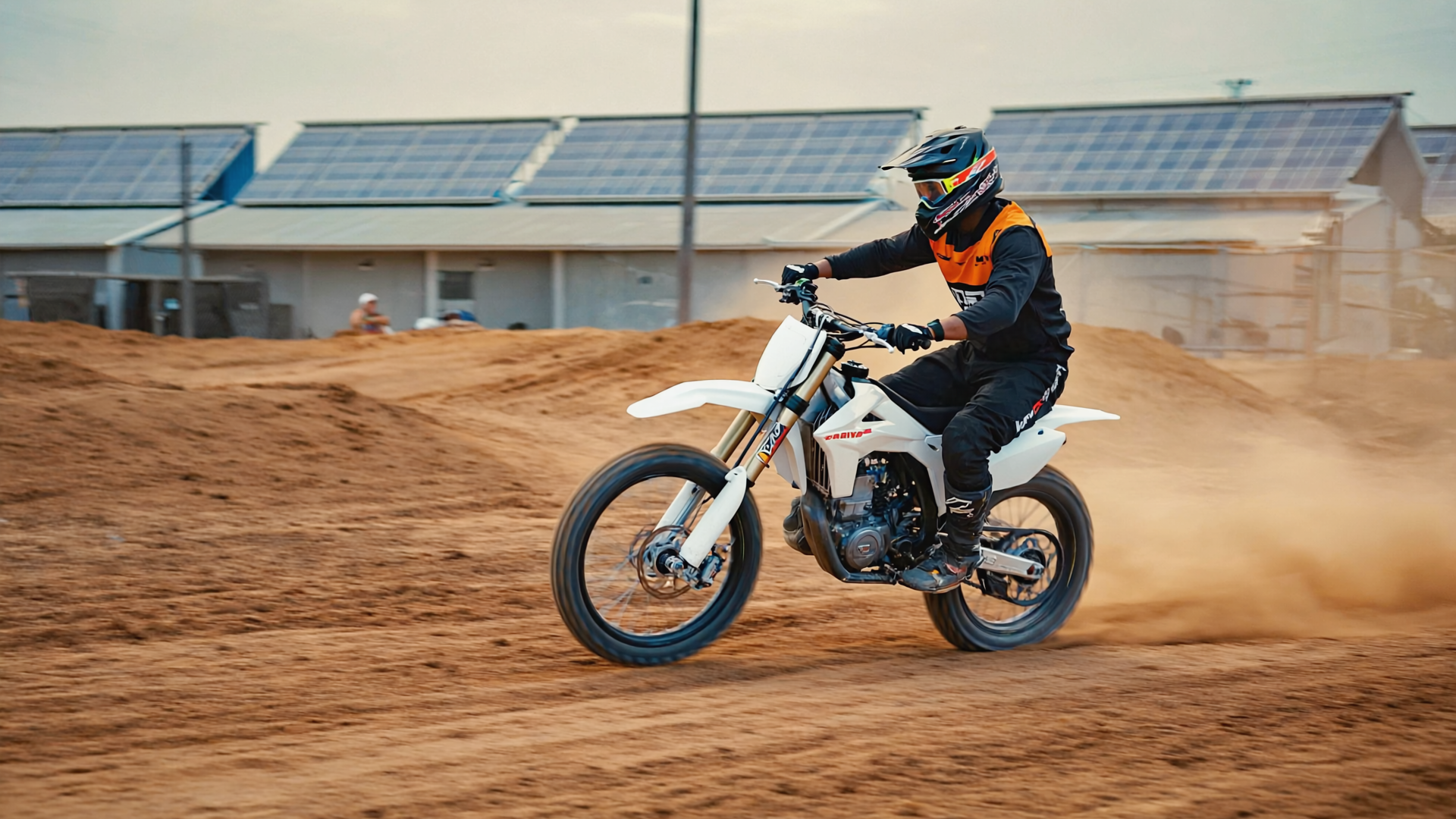
Whether you miss the roar of a 450 or embrace the quiet buzz of a motor, the electric era has arrived. Stark Future, along with expanding lineups from legacy manufacturers, has proven that electric platforms don't just compete, they often outperform internal combustion in torque and power delivery.
For facility owners, electric bikes offer two strategic advantages:
- Acoustic Diplomacy: The drastically reduced noise footprint is your strongest weapon against noise ordinances. It can be the deciding factor in resolving conflicts with local planning commissions or neighbors.
- Infrastructure as Revenue: In 2026, a "modern" pit is defined by its power. Forward-thinking tracks are now installing Level 2 and Level 3 solar-powered charging stations. Offering "Fast Charging" as a premium service creates a new revenue stream and cements your track as the premier destination for the early-adopter demographic.
Sustainable Operations: The New Compliance
In the coming decade, sustainability will transition from a "green initiative" to a regulatory mandate. Water conservation and dust mitigation are under more scrutiny than ever before.
Successful tracks are now implementing closed-loop water systems designed to capture and recycle runoff, an evolution of the drainage principles we’ve previously discussed. Beyond water, the "Moto 2.0" facility prioritizes:
- Bio-degradable Fluids: Transitioning track maintenance equipment to bio-degradable hydraulic oils.
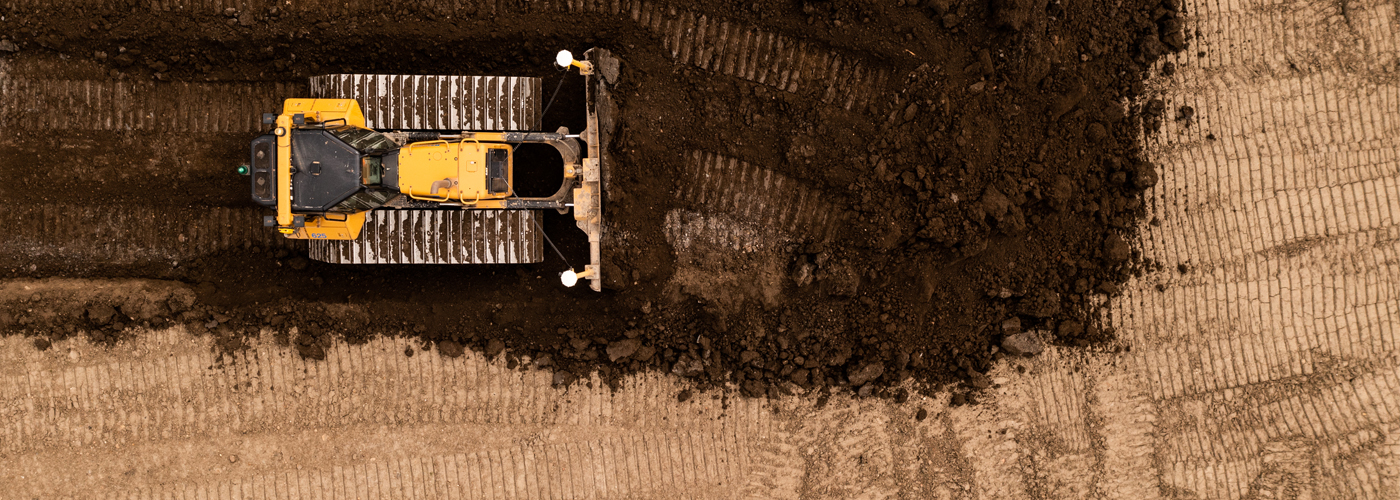
- Carbon-Neutral Maintenance: Exploring electric tractors and water trucks to reduce the facility's overall carbon footprint.
- Soil Health: Using organic dust suppressants that don't compromise long-term soil integrity.
The Frictionless Track: Digital-First Experience
The rider of 2026 expects the same convenience at the track that they get everywhere else. The "gate line" is a relic of the past.
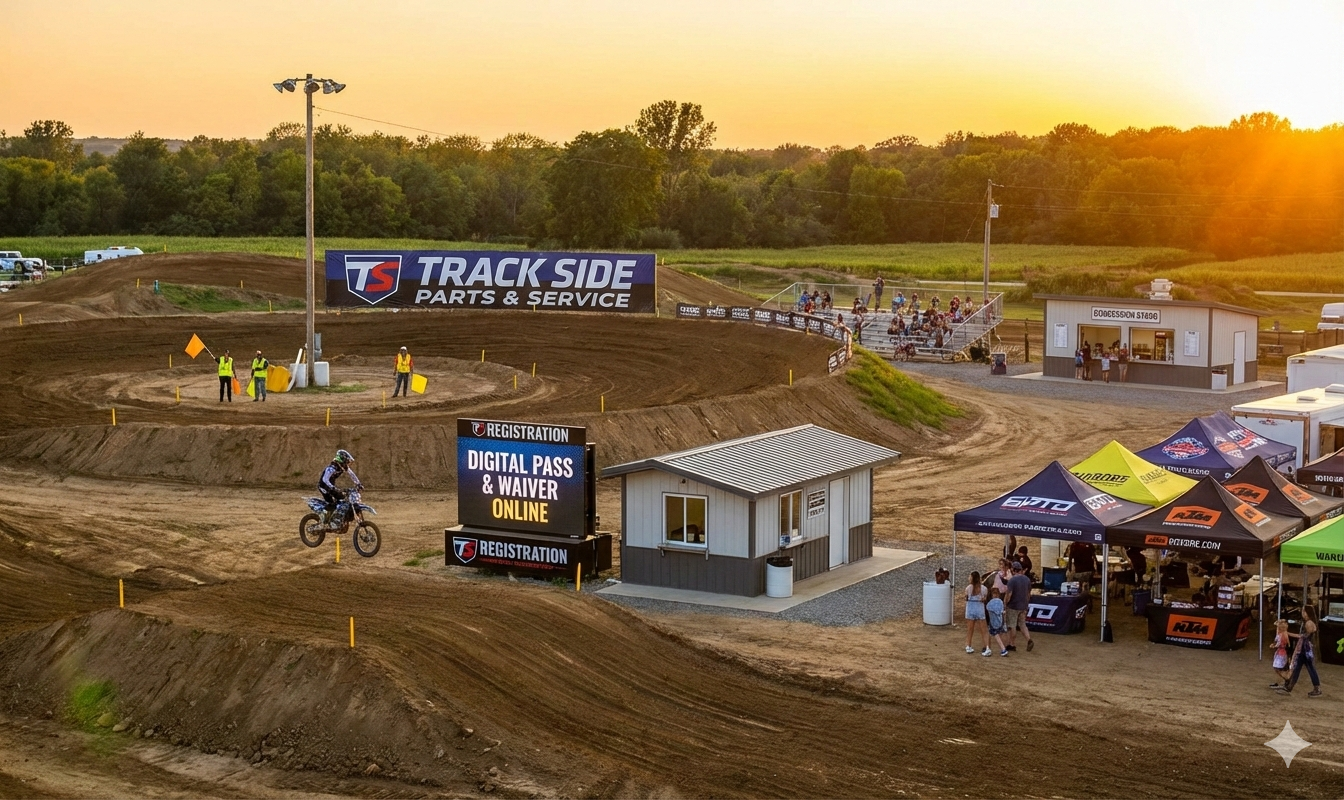
- Pre-Registration Apps: Riders now expect to sign digital waivers, pay entry fees, and reserve pit spots before they even load their bikes. This "frictionless" entry improves customer satisfaction and frees your staff to focus on track safety and prep.
- Smart-Track Integration: We are seeing a surge in Internet of Things (IoT) technology on-site. Embedded soil moisture sensors allow for precision watering, while integrated transponder loops provide real-time lap data to riders’ smartphones.
As we’ve noted in our guide
10 Things That Make a Motocross Track Truly Great, the sport of motocross is in a state of constant evolution. Your facility must grow with it. By embracing these trends today, you ensure your track remains a profitable, vibrant, and compliant part of the community for the next decade.